
Waterproofing Inspection: How Inspectors Detect Leaks Behind Walls, Balconies and Wet Areas
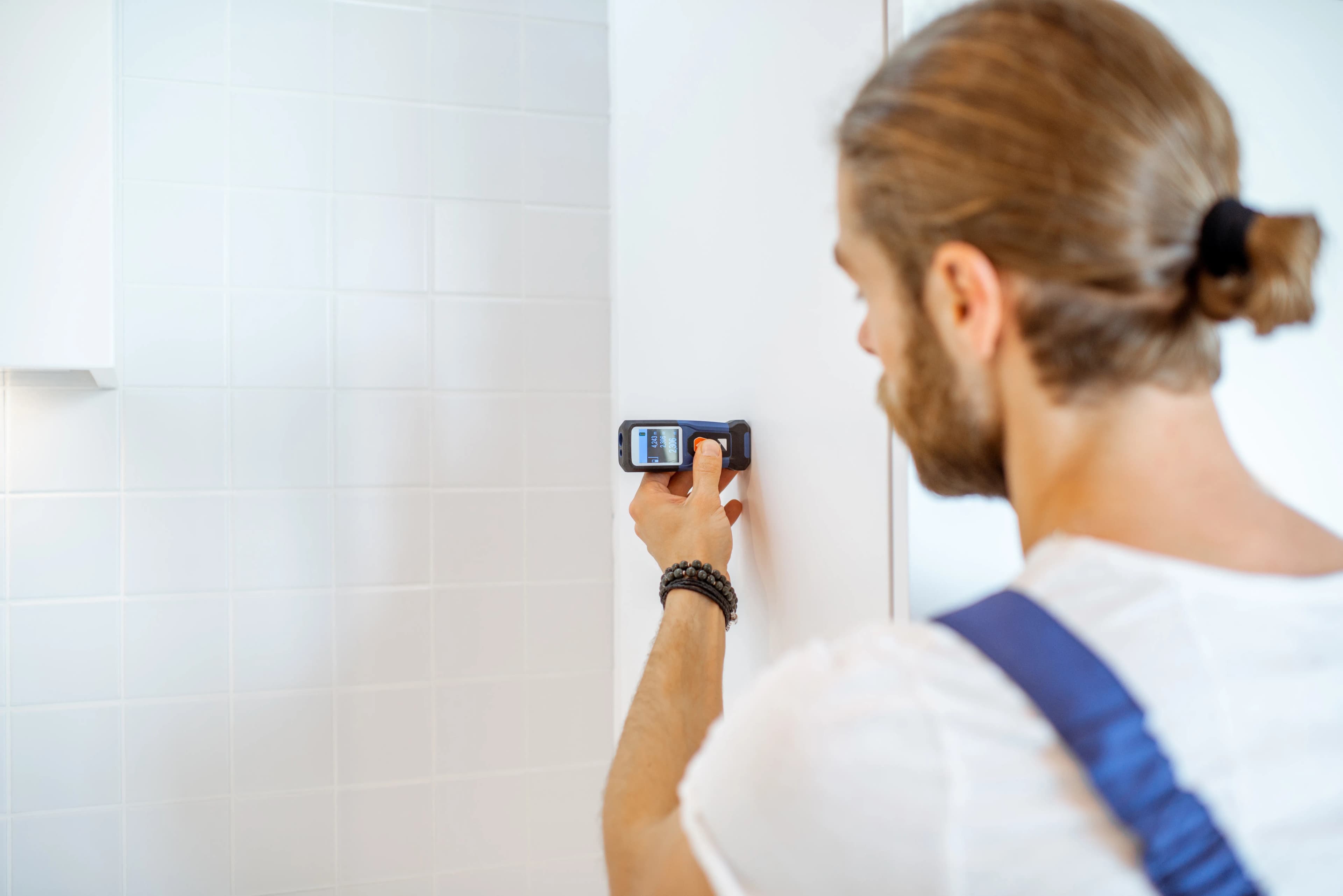
Leak detection in Sydney involves determining the cause of moisture, leaks and defects in waterproofing membranes and drainage systems. It also detects water damage and decay. Failure to do so may result in expensive repairs. Waterproofing inspection in Sydney: experts can use a variety of instruments to assess leaks, including moisture meters, thermal imaging cameras and other testing and moisture assessment methods.
Waterproofing failures aren't always immediately visible. Moisture can travel behind and beneath different materials and become evident only when structural damage occurs.
For homeowners and strata managers in Sydney, identifying such issues early reduces costs and helps protect the building's condition.
Our guide explains how to conduct such inspections, the most common defects, and when to be concerned.
Why Waterproofing Inspections Matter for Sydney Properties
Waterproofing protects buildings against unwanted water penetration. When membranes, drainage systems or construction joints fail, moisture can enter concealed areas and gradually damage surrounding materials.
Sydney properties may experience waterproofing problems in bathrooms, balconies, laundries, roofs and external walls.
Undetected leaks can contribute to:
- Mould growth and unpleasant odours
- Damaged plasterboard, paint and flooring
- Timber deterioration and corrosion
- Ceiling damage in apartments below leaking balconies
- Expensive repairs and ongoing moisture problems
The Building Commission NSW recognises waterproofing as an important category of building defect, particularly when failures affect the performance of the building or its occupants.
A professional waterproofing inspection, which Sydney property owners organise, is usually conducted to assess whether the damage is due to a failure in the waterproofing system.
What Is a Waterproofing Inspection and How Does It Work?
Waterproofing inspections are evaluations of areas designed to exclude water from entering a building.
Inspection of the building and other conditions, as well as evaluation of defect inspections, are part of the process.
The process generally involves four stages.
1. Visual Inspection
Deterioration in caulking, grout, sealants, and wall/ceiling joints is inspected. Drainage outlets and concealed building service outlets are inspected. Exposed building surfaces are also inspected.
2. Moisture Inspection
Moisture is measured with a meter and the reading is assessed relative to the building material and other conditions.
3. Leak Detection Testing
Appropriate entries may be made in the building to perform plumbing tests or water line pressure tests to determine how water is entering the building.
4. Inspection Report
The report may include photographs, moisture readings and the inspector’s observations. The report may also include recommendations for corrective action.
Some leaks cannot be confirmed with non-invasive tests and may require opening concealed elements of the building inspection.
How Inspectors Detect Hidden Water Leaks Behind Walls
Hidden leaks are difficult to identify because water can travel away from its original entry point.
Professional leak detection may combine several investigation methods.
Thermal imaging: Infrared cameras detect differences in temperatures which may suggest moisture. However, on their own, temperature variations do not confirm the presence of a moisture leak.
Moisture meters: Moisture meters help locate the extent of moisture in construction elements.
Targeted water testing: Limited testing can be carried out to establish if moisture is entering via balconies or other external elements of the building.
Plumbing investigations: If it is suspected that a leak is caused by a plumbing pipe, then several investigations may be warranted, including pressure testing and commissioning a plumbing report.
Inspectors can use a combination of methods to distinguish between a plumbing leak, a condensation problem, a drainage problem and a waterproofing failure.
Common Waterproofing Defects in Bathrooms, Balconies and Wet Areas
Typically, waterproofing issues occur near joints, penetrations and areas where water collects.
Bathroom and Shower Waterproofing Defects
Poor or insufficient sealing of waterproofing membranes around fittings and fixtures, incorrect falls in wet areas, and inadequate waterproofing at wall-to-floor transitions are among the many issues that may occur.
Water may penetrate behind tile in a shower and impact adjacent spaces.
Balcony Waterproofing Defects
Inspecting balcony waterproofing can help detect issues with drainage and the termination of the waterproofing membrane. Construction joints and door thresholds may also be an issue.
Insufficient drainage and defective waterproofing can allow water to impact the concrete slab and adjacent spaces.
Laundry and Kitchen Wet Area Defects
Concealed moisture damage can occur from leakage around plumbing penetrations, floor wastes and poorly sealed junctions.
External Wall and Window Leaks
Poor flashing may lead to water penetrating the wall. Sealants may also fail. Defective window details may also allow water to penetrate the wall.
NSW guidance highlights membrane installation, surface falls, flashing and drainage detailing as important considerations for waterproofing performance.
Professional Waterproofing Inspection Methods and Australian Standards
The suspected problem must be evaluated by professional inspectors using proper testing methods and applicable construction requirements.
Important references include the following:
- AS 3740:2021: Waterproofing of domestic wet areas.
- AS 4654.2:2012: Design and installation of external above-ground waterproofing membranes.
- National Construction Code (NCC): Relevant building performance and construction requirements.
The requirements applicable will vary depending on the building classification, date of construction and the work being assessed.
Best practice inspections will check whether the suspected problem is related to installation, deterioration, plumbing or building movement.
Warning Signs You Need a Waterproofing Inspection
Often, waterproofing failures happen in ways that stay hidden for months, even years.
Common warning signs include:
- Water stains on walls or ceilings
- Peeling paint or bubbling plaster
- Persistent mould or musty odours
- Loose, cracked or lifting tiles
- Damp carpets or swollen skirting boards
- Water pooling on balconies
- Ceiling leaks following heavy rainfall
If moisture repeatedly appears in the same area, a professional moisture inspection can help identify the cause.
Ignoring recurring leaks may allow damage to spread beyond the original affected area.
How to Choose the Right Waterproofing Repair Solution
To appropriately repair a waterproofing failure, the extent and cause of the failure must be identified.
For a failure in sealing, the repair may be fairly simple. However, if the failure is in the waterproofing membrane, the repair may be complicated and involve removal of tile coverings and the waterproofing system.
Before approving repairs, property owners should:
- Identify the likely moisture source through appropriate inspection.
- Determine whether the damage is localised or widespread.
- Review the inspection findings and recommended scope.
- Engage appropriately qualified and licensed contractors where required.
- Arrange suitable verification or testing after repairs.
In the absence of an effective membrane and functioning drainage system, the reliance on temporary surface sealing will only result in a failure of the system in the long term.
When Should You Hire a Waterproofing Inspection Specialist in Sydney?
Moisture appearing behind walls or if balcony water damage affects adjacent rooms. Recurring leaks in a given area are a strong case to have a specialist inspect the waterproofing.
Inspections are beneficial prior to purchasing a property and on construction handover to locate suspected building defects and as required by strata owners' corporations.
At The Sheriff Building Inspector, our inspectors can test moisture in building materials, take thermal images, and assess and test other building services as required.
We pride ourselves on delivering reports to property owners prior to undertaking expensive repairs to allow them to make informed decisions.
Do you suspect there are concealed leaks or waterproofing defects on your property? You’re in the right place! Call The sheriff to discuss your options.
Frequently Asked Questions About Waterproofing Inspections in Sydney
1. How much does a waterproofing inspection cost in Sydney?
The size of the property and the number of affected areas will affect the final cost of the inspection. Other factors may include the extent of testing required and whether a detailed, comprehensive report is necessary. Request a quote that clearly explains the scope of the inspection and any additional costs for testing.
2. Can inspectors detect water leaks behind walls without removing tiles?
Yes. Often, suspected hidden moisture can be detected using a variety of methods, including thermal imaging and the use of moisture meters. However, these methods may not always pinpoint the exact cause of the problem, and invasive testing may be necessary.
3. How do I know if my balcony waterproofing has failed?
Waterproofing failures can cause water to pool on balconies, result in cracked tiles, lead to damp staining on the ceilings below the balcony, cause paint to peel on ceiling surfaces and result in persistent leaks on the balcony after it rains. An inspection of the balcony waterproofing may help to identify issues relating to the membrane as well as entry points of water.
4. What is the difference between a moisture inspection and a waterproofing inspection?
A moisture inspection generally identifies areas of a building that have high moisture levels. A waterproofing inspection identifies areas of failure relating to the waterproofing and drainage systems of the building. Both inspections may be required and may be used together.
5. Can waterproofing problems be repaired without removing tiles?
Defects in the waterproofing system may be able to be repaired without removing tiles. However, if the waterproofing system has completely failed, then the membrane would need to be replaced and the finishes removed.
6. How often should waterproofing be inspected?
There is not a specific frequency that applies to all buildings. Regular (i.e., annual) visual inspections are advisable, as are prompt investigations of leaks. It is advisable to have a waterproofing inspection conducted prior to a major building renovation.
Ready to Protect Your Property Investment?
Get the clarity and confidence you need with Sydney's trusted inspection experts.

License Number: 483083C
Qualified NSW Builder (General Building Work) - Licensed to carry out residential building work in NSW